

How AI Helped Me Win a University Refund: A Case Study in LLM Assistance
A Student's Guide to Navigating University Bureaucracy with AI Assistance and how it saved me thousands in legal fees.

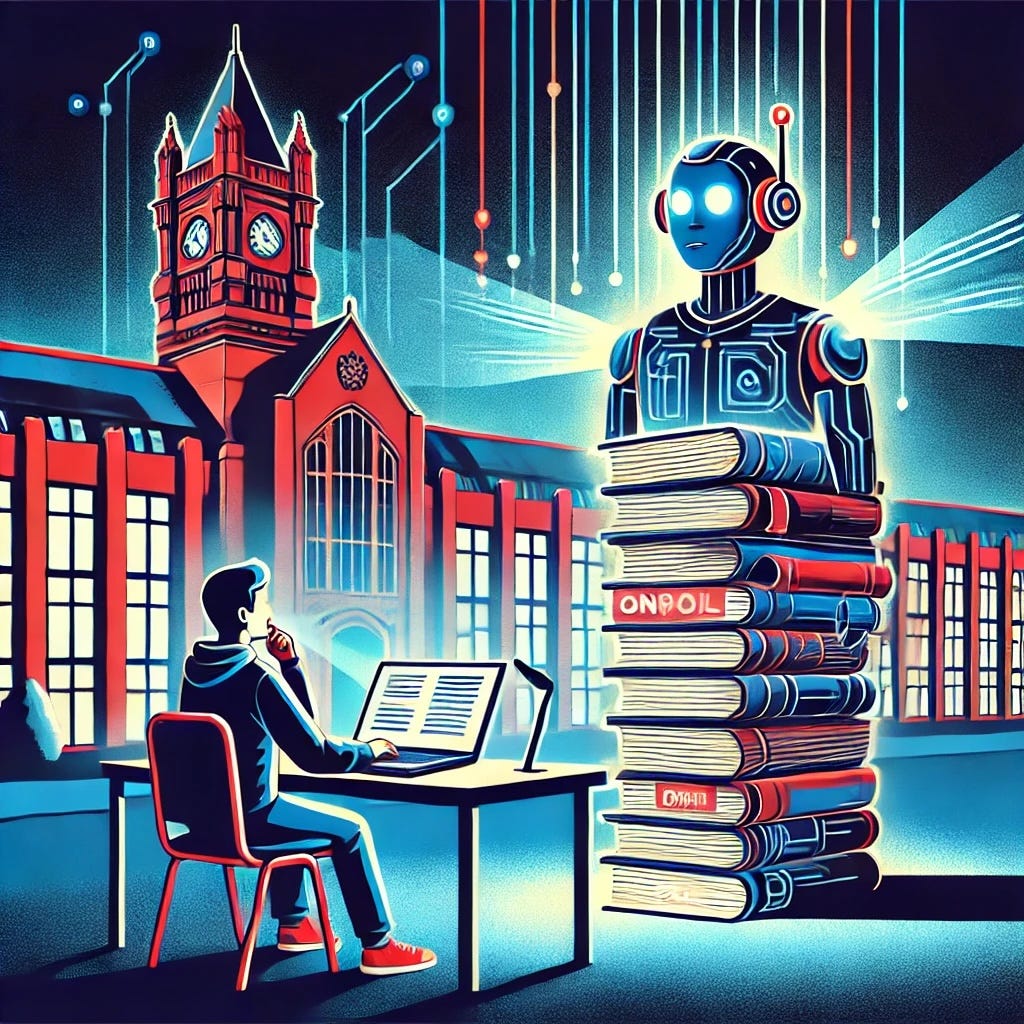
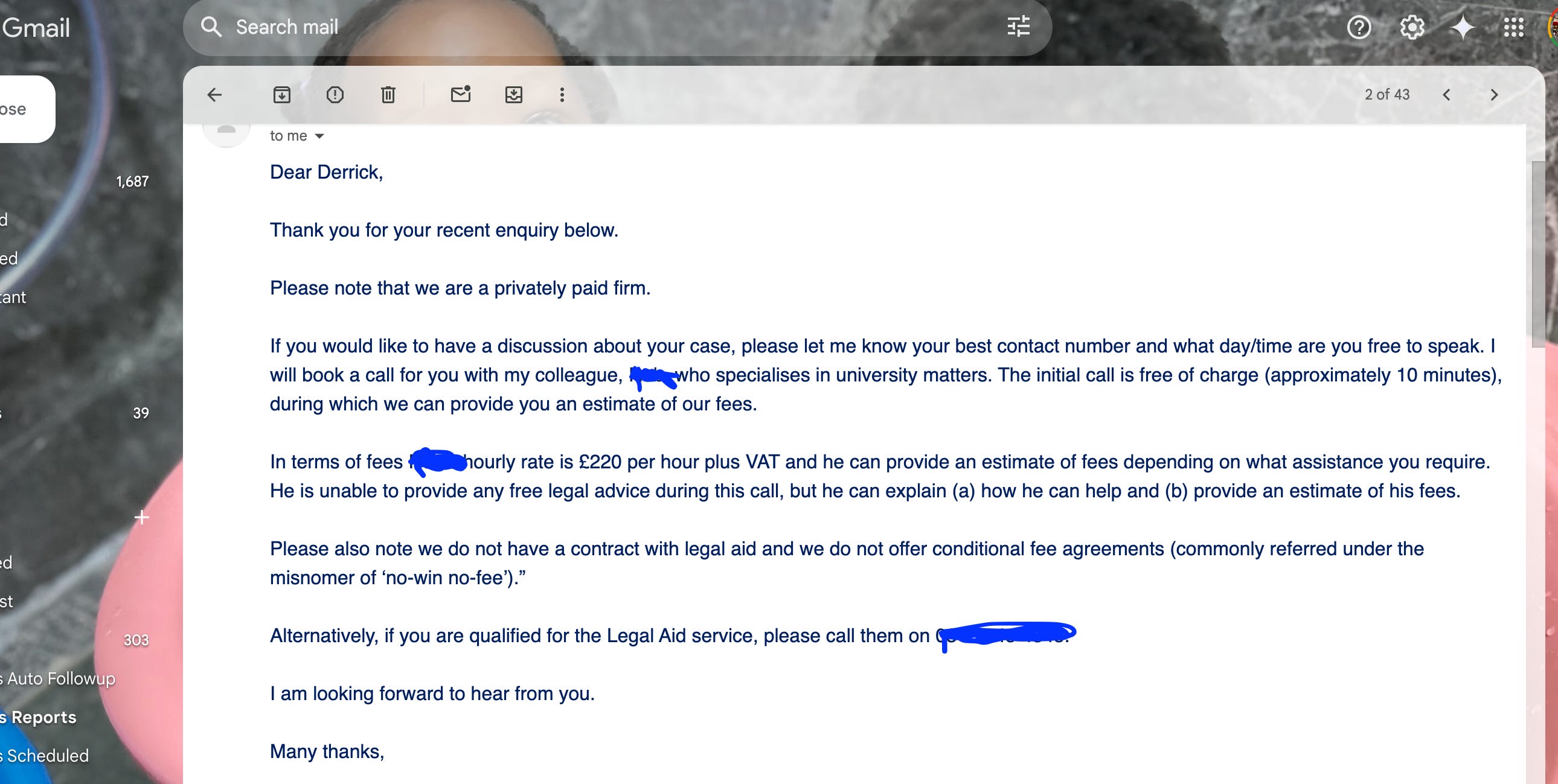
In the summer of 2024, I found myself embroiled in a dispute with a major university. Facing a bureaucratic maze and the potential loss of a significant deposit, I turned to what many would consider the conventional route: seeking legal advice. The response I received was sobering: £220 per hour, plus VAT. For many, this would be the end of the road. But instead of giving up or draining my savings, I turned to an unexpected ally: Claude, an AI language model developed by Anthropic.
This decision not only saved me thousands in potential legal fees but also resulted in a successful outcome - a full refund of my deposit and a valuable lesson in the power of AI assistance.
The Power of AI in Document Analysis
My journey began with a daunting stack of university policies, terms and conditions, and email correspondence. This scenario isn't unique to students; we all face similar challenges with insurance policies, employment contracts, or terms of service agreements. This is where Claude proved invaluable.
I fed Claude the relevant documents - policies, procedures, and correspondence. Within minutes, it had analyzed these documents and highlighted key points that would strengthen my case. For instance, Claude pointed out contradictions between stated policies and actual practices, something that might take a human hours to uncover.
Crafting Compelling Arguments
Armed with this analysis, Claude helped me structure a comprehensive complaint letter. It suggested incorporating specific policy references and helped present a clear timeline of events. This approach, applicable in various dispute scenarios, gave my argument a solid foundation based on the institution's own policies and communications.
The Art of Effective Prompting
What truly impressed me was how Claude could catch nuances when properly directed. This experience taught me the importance of knowing how to prompt AI effectively. It's not just about having access to AI, but also about knowing how to guide it to get the most valuable insights.
For example, when the university argued that I met certain requirements, I asked Claude to help formulate a counterargument. By prompting with the right questions, we developed a crucial point: while I technically met the requirements, the university's inability to verify my qualifications effectively prevented me from fully meeting them.
This skill of effective prompting isn't just useful in disputes. Imagine using it to understand complex terms and conditions, analyze job offers, or even interpret government policies. The possibilities are vast.
Cost-Effective Solution for Everyone
The entire process of using Claude for document review and argument crafting cost me nothing but time. Compare this to the potential costs of hiring a lawyer at £220 per hour. In a world where legal assistance is often prohibitively expensive, AI offers a powerful, accessible alternative for many everyday situations.
Limitations and Considerations
It's important to note that while Claude was incredibly helpful, it couldn't provide legal advice or make decisions for me. I still had to use my judgment in deciding what information to include and how to proceed at each step. AI is a tool - a powerful one, but a tool nonetheless.
The Outcome and Broader Implications
After submitting my Claude-assisted complaint, I received a response from the university upholding my complaint and offering a full refund. But the implications of this experience extend far beyond my personal victory.
In an era where we're constantly agreeing to terms we haven't read and navigating complex systems, AI can be our guide and advocate. Whether you're dealing with a university, an employer, a landlord, or any large institution, AI has the potential to level the playing field.
Tips for Leveraging AI in Disputes and Complex Situations
Gather all relevant documents and correspondence.
Use an AI language model like Claude to analyze these documents.
Learn to prompt the AI effectively, asking specific questions and providing context.
Use the AI to help structure your argument, incorporating specific policy references.
Have the AI review your drafts and suggest improvements.
Always review and verify the AI's suggestions before acting on them.
My experience shows that AI assistants like Claude can be powerful allies in navigating complex processes and disputes. They offer a level of analysis and assistance that was previously available only to those who could afford expensive legal or professional help.
As AI continues to evolve, its potential to empower individuals in dealings with large institutions is truly exciting. No longer do we have to skip reading terms and conditions or feel powerless in the face of complex policies. With AI, we have a powerful tool at our fingertips.
Remember, in the face of institutional challenges or complex agreements, you're not alone - and you don't have to be outgunned. AI might just be the assistant you need to make your voice heard, your rights respected, and your agreements understood. The future of personal advocacy is here, and it's powered by AI. Use it!
What an awesome journey Deriq. This is the coolest thing I’ve read this month! Not only did you win, but you’ve developed skills with Claude and navigating bureaucratic processes you might otherwise never have been compelled to. Just fantastic.
Practically speaking I have a question. Did you upload the documents to Claude via the web search, or were the documents so numerous you had to take a different approach? Asking incase I ever get into bureaucratic trouble hahaha